If your house caught on fire and you had a small window of time to grab what you wanted, would you grab your vacuum cleaner or a wooden spoon? Those things can be replaced easily. What you would probably grab is photo albums or a hard drive of images. Your precious family memories.
A photograph is far more than a piece of paper or a digital file. It’s a frozen moment in history. It preserves the faces of loved ones who are no longer with us, the home where children grew up, the family pet, birthdays, weddings, and ordinary moments that quietly become extraordinary with the passing of time. But it’s often not until tragedy strikes that we truly understand their value especially our phone photos which are like a visual diary of our lives.
While it may appear, that dumping your images onto social media is a good place to save your images to download later, it’s actually not ideal. Never trust your previous photos, even your phone photos to a platform you don’t own such as Facebook or Instagram.
You may get your account hacked, deleted, wiped out, or closed down at any stage. I have friends who trusted their images to Facebook then found themselves out in the cold at the hands of hackers. One managed to get back in and immediately downloaded and backed up her images, but another was permanently locked out of her account, never to be allowed back in. The scammers work fast to change emails and associated phone numbers to disable the ability to just get back in easily and recover your account. Millions of accounts are compromised each year.
Images should be backed up via your computer or in the cloud or both using Google Drive, Dropbox or another method. Facebook and Instagram are not the place to dump all your photos and clear them off your phone. You can get both Google Drive and Dropbox as apps on your phone which backup your phone photos.
Some photographers I know use Facebook to post all the images they take at an event. This is also risky because you might inadvertently post an image that someone doesn’t want to be seen by the public. It might be the way they look, what they happened to be doing at the time you clicked the shutter or another reason. I always provide my images privately via a Google Drive link to a client especially in a school, party or event setting. The link can be shared via email to interested people. Then it’s up to them what they wish to download and share publicly. Dumping all your images onto Facebook can also sometimes result in Facebook Jail. A place you end up when you overshare, post something that may trigger the bots or abuse the platform. Restrictions can last anywhere from 24 hours to 30 days for temporary restrictions but can sometimes lead to a permanent account ban.
As photographers, we’re not simply taking pictures—we’re preserving history. Every click of the shutter creates a record that future generations may one day treasure. Long after fashions have changed and houses have been renovated or rebuilt, photographs remain as a window into the past.
If you’ve been putting off printing your favourite images, booking that family photo session, or backing up your images, perhaps today is the day to do it. We never know what tomorrow will bring, but we can ensure that the memories we hold dear are safely captured.
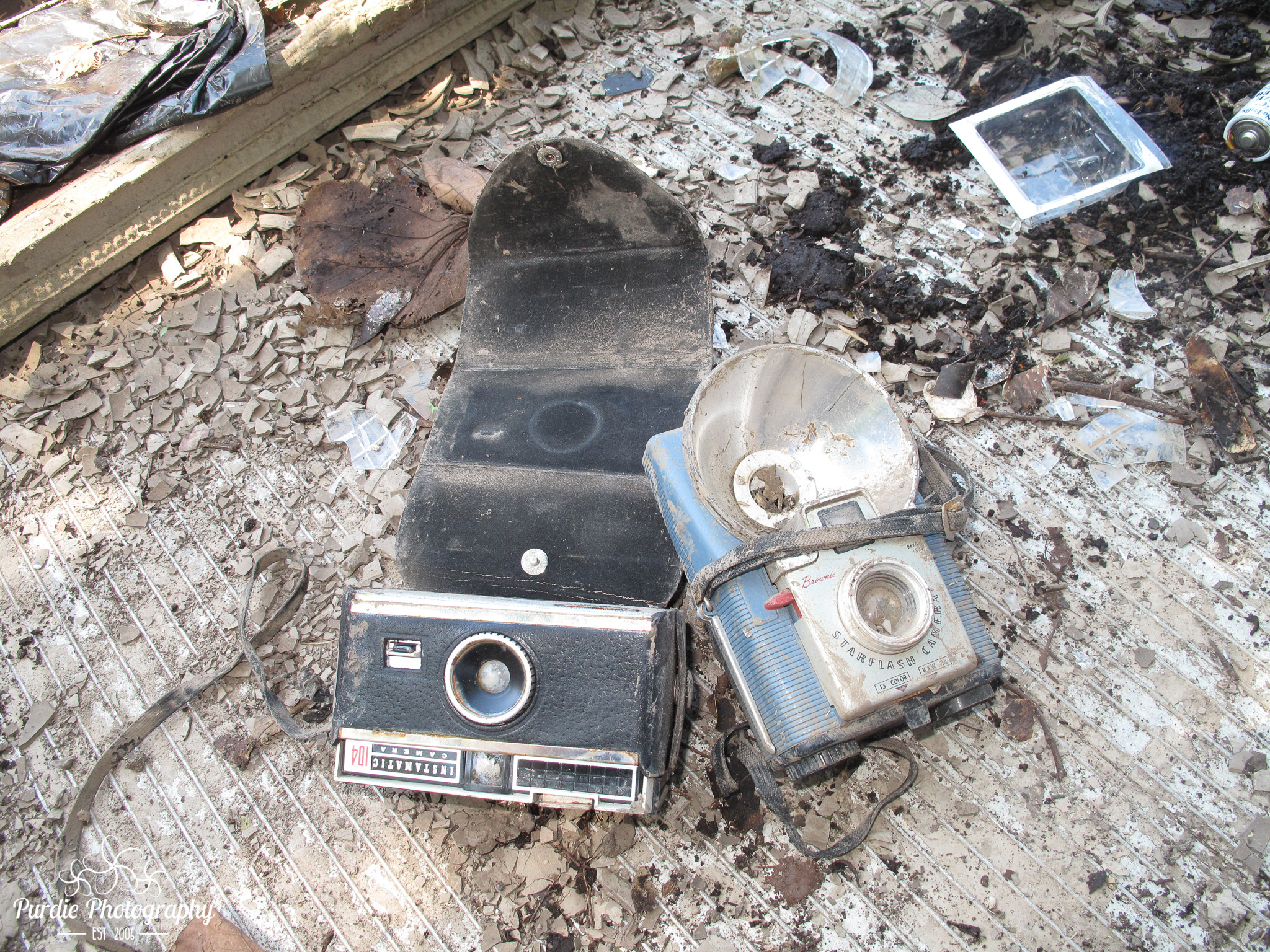
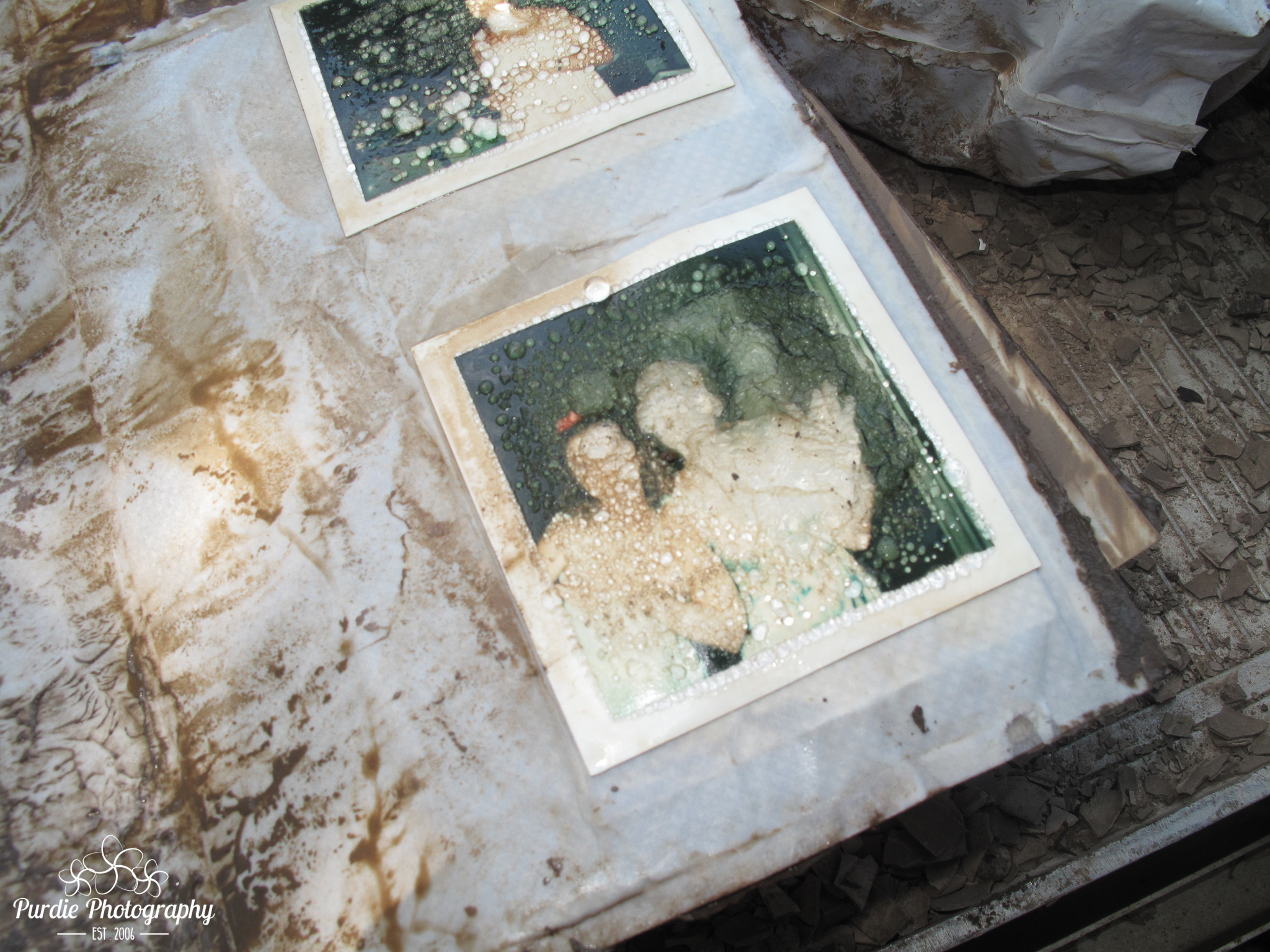
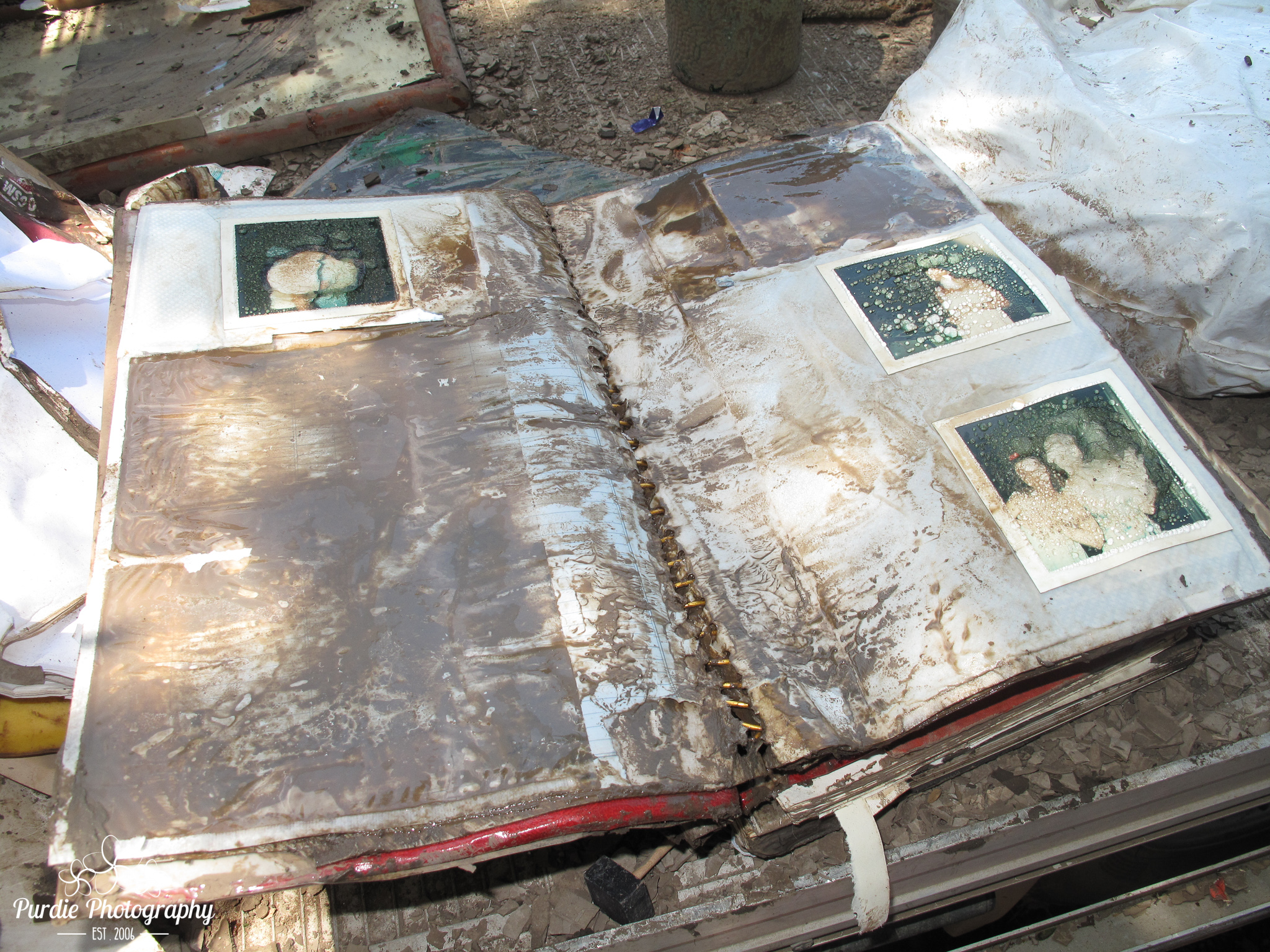
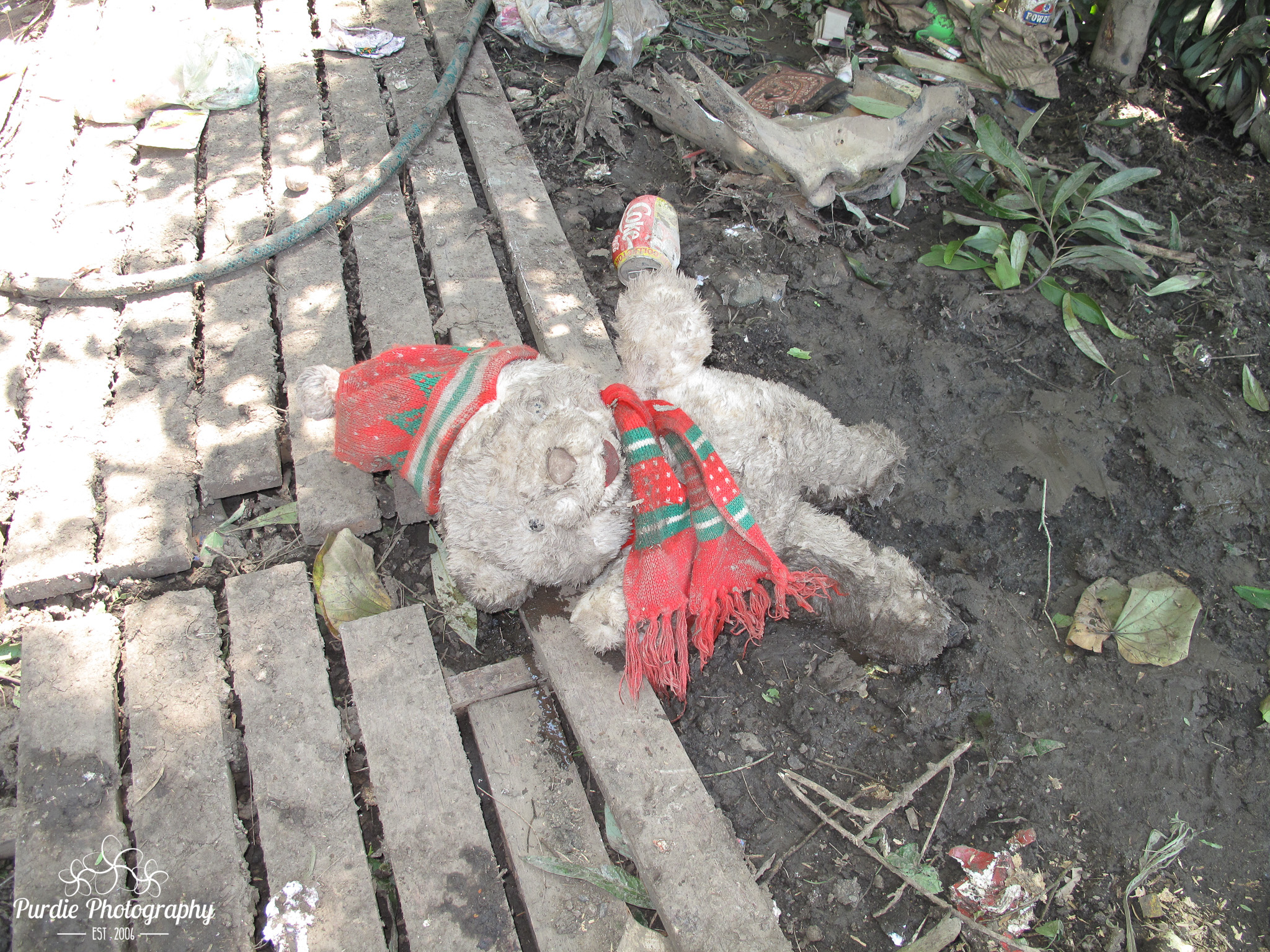
In the Brisbane 2011 floods, I went with a team to help clean up and came across a photo album of prints that had been destroyed by water. Some pictures I took with my little trusty tiny camera are below. It was a shame to see these photo albums destroyed probably along with the negatives kept in another part of the house. These days we can back up everything in the cloud, and so we should be utilizing this feature in our digital age.
Because one day, a photograph may become the most valuable thing you own.